
𝙎𝙚𝙩𝙤𝙣 𝙃𝙖𝙡𝙡 𝙁𝙞𝙧𝙚 𝙎𝙪𝙧𝙫𝙞𝙫𝙤𝙧𝙨 𝘽𝙧𝙞𝙣𝙜 𝙀𝙢𝙤𝙩𝙞𝙤𝙣𝙖𝙡 𝙎𝙩𝙤𝙧𝙮 𝙤𝙛 𝙍𝙚𝙨𝙞𝙡𝙞𝙚𝙣𝙘𝙚, 𝙍𝙚𝙨𝙥𝙤𝙣𝙨𝙞𝙗𝙞𝙡𝙞𝙩𝙮 𝙖𝙣𝙙 𝙁𝙞𝙧𝙚 𝙎𝙖𝙛𝙚𝙩𝙮 𝙩𝙤 𝙇𝙞𝙣𝙙𝙚𝙣 𝙃𝙞𝙜𝙝 𝙎𝙘𝙝𝙤𝙤𝙡 𝙎𝙚𝙣𝙞𝙤𝙧𝙨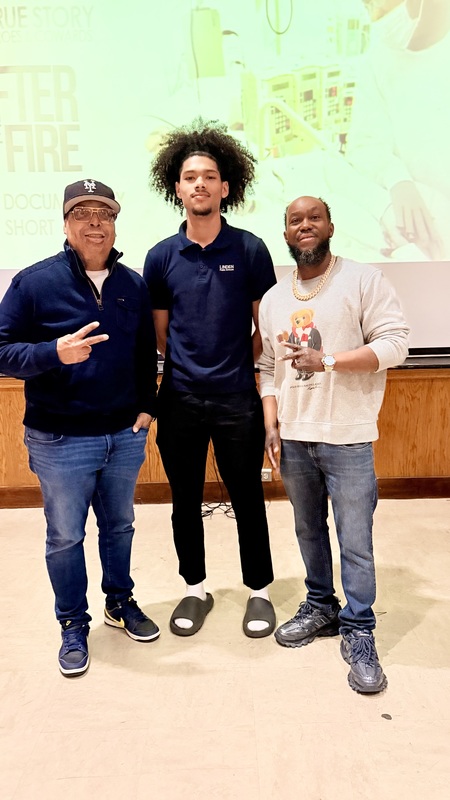
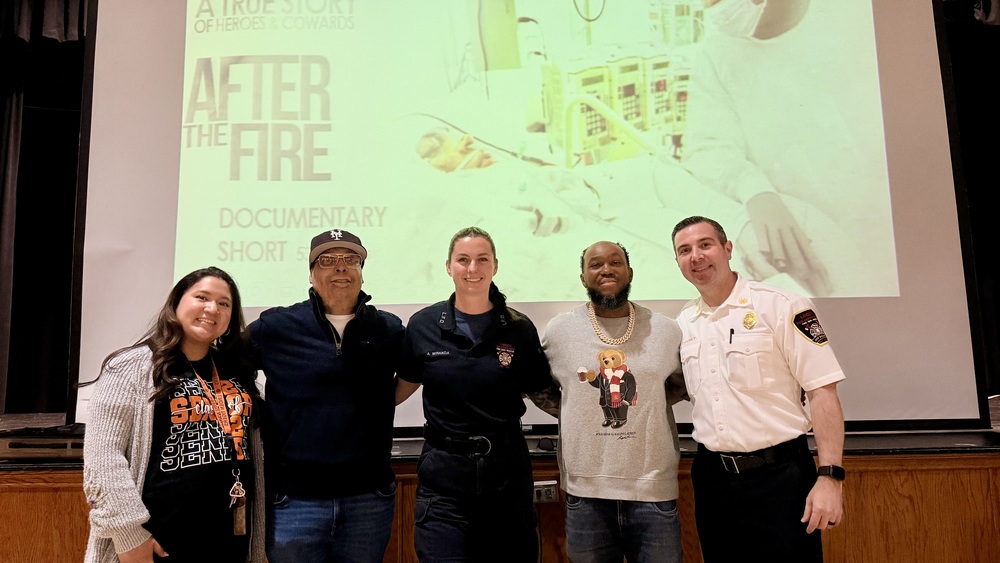
LINDEN PUBLIC SCHOOLS, NJ — What began as a routine senior assembly at Linden High School quickly turned into a gripping lesson on survival, responsibility and resilience as two survivors of the deadly 2000 Seton Hall University dormitory fire shared their story with the Class of 2026 on Wednesday, May 6.
Sponsored by the Linden Fire Department and organized with support from Christopher Rooney, Linden Fire Department Deputy Chief and Fire Official — himself a Seton Hall alumnus who once lived in Boland Hall — the program combined an emotional documentary screening with a candid discussion about fire safety, mental health, recovery and the lifelong consequences of reckless decisions.
Survivors Shawn Simons and Alvaro Llanos recounted the terrifying moments when a fraternity prank sparked a fire inside Seton Hall’s freshman dormitory on Jan. 19, 2000, killing three students and injuring 58 others. More than two decades later, the pair now travel nationally sharing their experience with students, firefighters and burn survivors in an effort to promote fire prevention and inspire resilience after trauma.
“This is way bigger than just fire safety,” Simons told students during the presentation. “It’s about safety in general. It’s about choices. It’s about life.”
“We Thought We Were Invincible”
Following the documentary After the Fire, Simons and Llanos spoke directly to seniors preparing to graduate and begin life beyond high school.
“We used to be sitting in the same seats,” Simons said. “Getting ready to graduate, go off to college. We thought we were invincible.”
The pair described how repeated false alarms inside Boland Hall caused many students to stop taking fire alarms seriously — a dangerous complacency that nearly cost them their lives.
At approximately 4:30 a.m. on Jan. 19, 2000, Simons initially assumed the alarm was another prank. But when he opened the dorm room door, he was met with thick black smoke and extreme heat.
“My God, Al, this is real,” Simons recalled while reading from his bestselling book, After the Fire.
Students listened silently as the survivors described crawling blindly through smoke-filled hallways, unable to see exits as temperatures reportedly climbed to nearly 1,600 degrees.
Recovery Beyond the Burns
The presentation moved beyond the tragedy itself and focused heavily on the difficult road to recovery.
The documentary showed emotional scenes from Saint Barnabas Medical Center’s burn unit, where doctors and nurses fought to save the lives of severely injured students. Family members recalled the fear of not knowing whether their children would survive.
Llanos spent three months in a coma and endured years of surgeries and rehabilitation.
But the emotional scars, he explained, often proved harder to heal than the physical ones.
“The mental aspect of recovery is the toughest part,” Llanos said while speaking with students after the assembly. “There’s no timetable.”
He described struggling with confidence after his appearance changed dramatically, hiding beneath hoodies and wrestling with feelings of insecurity before eventually learning to embrace himself again.
“We all need to learn how to love ourselves a little bit more,” Llanos told students.
The message resonated strongly as Linden Public Schools simultaneously observed Tiger Pride Wellness Day and recognized Mental Health Awareness Month across the district.
Lessons in Fire Safety
Throughout the assembly, Simons and Llanos repeatedly emphasized that their mission is not to frighten students, but to prepare them.
The survivors shared practical fire safety tips for students preparing to move into dormitories, apartments and unfamiliar environments after graduation.
They urged students never to ignore fire alarms, never to use elevators during emergencies, and always to identify multiple exits whenever entering a building.
One lesson especially stood out: complacency kills.
“We became complacent,” Llanos admitted. “We thought it was another false alarm.”
The pair also warned students about covering smoke detectors, overcrowding exits and failing to develop emergency plans in homes, apartments and dormitories.
Simons encouraged students to develop situational awareness everywhere they go — from hotels and college dorms to movie theaters, clubs and concert venues.
“The door you came in is not necessarily the safest way out,” he told students.
A Seton Hall Connection
Deputy Chief Rooney also addressed students during the assembly, sharing his own connection to the tragedy.
A Seton Hall graduate who lived in Boland Hall before the fire, Rooney recalled how frequent false alarms had become part of everyday dormitory life.
“One time there’s going to be a fire,” Rooney remembered administrators warning students years earlier.
Just a few years later, that warning became reality.
“You can no longer say, ‘I was just a kid,’” Rooney told students. “Your actions have consequences. Think before you act.”
From Survivors to Advocates
More than 25 years after the fire, Simons and Llanos continue traveling throughout the country speaking at schools, hospitals and community events.
They now use their story to encourage resilience, educate young adults about fire safety and support burn survivors navigating recovery.
“Through this journey, we couldn’t give up,” Llanos said. “We could’ve easily put our heads down and decided to be victims, but we decided to keep our heads high as survivors.”
As the assembly ended, students lined up to ask questions about recovery, forgiveness, trauma and healing.
For many seniors preparing to leave home for the first time, the presentation served as both a warning and an inspiration.
And inside the Linden High School auditorium Wednesday morning, Shawn Simons and Alvaro Llanos delivered a message that extended far beyond fire safety:
Life can change in an instant — but resilience, purpose and hope can rise from even the darkest moments.
𝙒𝙧𝙞𝙩𝙩𝙚𝙣 𝙗𝙮 𝙈𝙞𝙘𝙝𝙖𝙚𝙡 𝘼. 𝙒𝙖𝙩𝙩𝙠𝙞𝙨
_________________________
𝙁𝙤𝙧 𝙈𝙤𝙧𝙚 𝙄𝙣𝙛𝙤𝙧𝙢𝙖𝙩𝙞𝙤𝙣, 𝙘𝙤𝙣𝙩𝙖𝙘𝙩:
𝙈𝙞𝙘𝙝𝙖𝙚𝙡 𝘼. 𝙒𝙖𝙩𝙩𝙠𝙞𝙨
𝙋𝙪𝙗𝙡𝙞𝙘 𝙄𝙣𝙛𝙤𝙧𝙢𝙖𝙩𝙞𝙤𝙣 𝙊𝙛𝙛𝙞𝙘𝙚𝙧, 𝙇𝙞𝙣𝙙𝙚𝙣 𝙋𝙪𝙗𝙡𝙞𝙘 𝙎𝙘𝙝𝙤𝙤𝙡𝙨
908-486-2800 𝙀𝙭𝙩. 80026 | ✉️ 𝙢𝙬𝙖𝙩𝙩𝙠𝙞𝙨@𝙡𝙞𝙣𝙙𝙚𝙣𝙥𝙨.𝙤𝙧𝙜